Warp + Weft at the Shepard Detroit
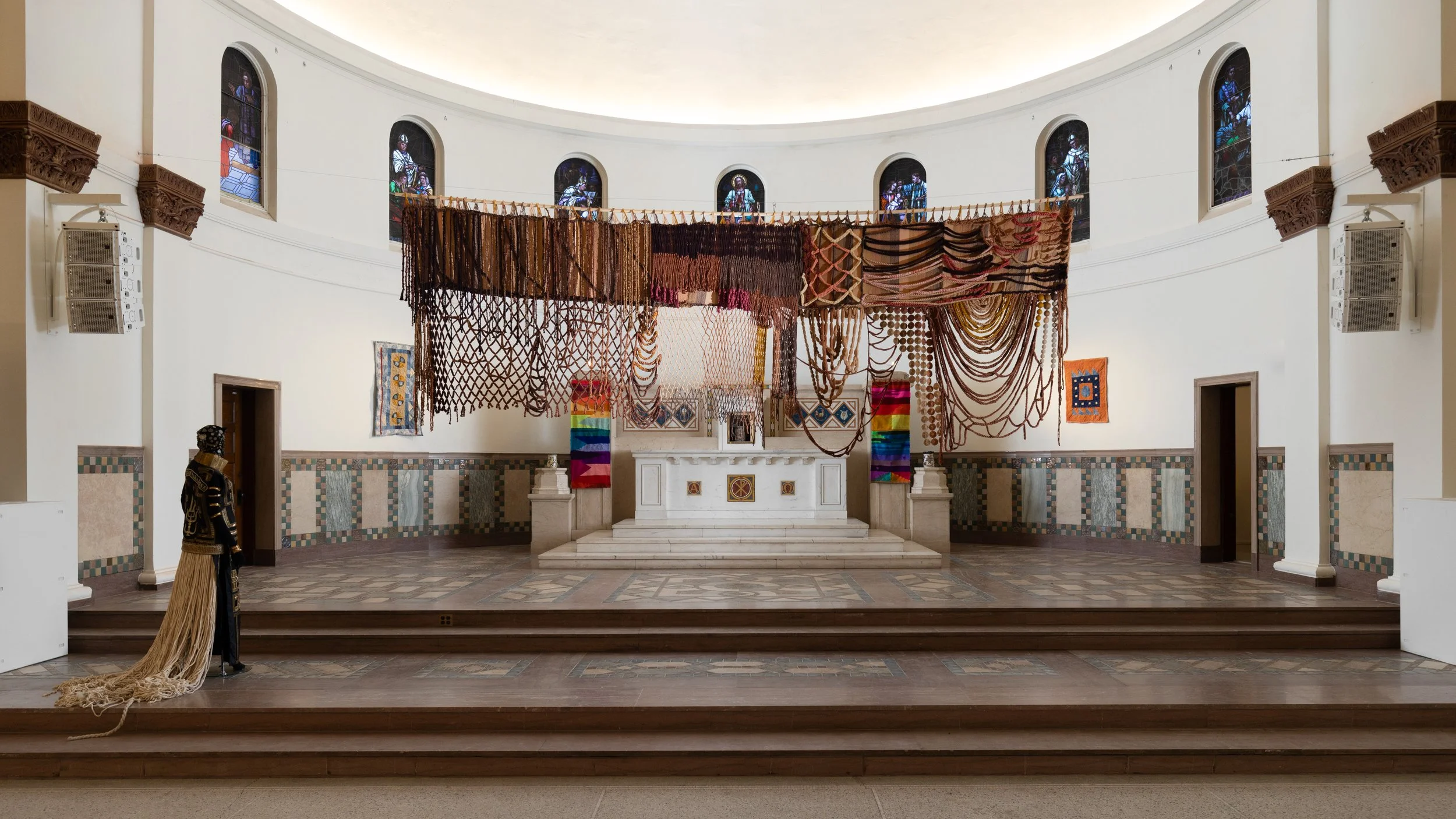
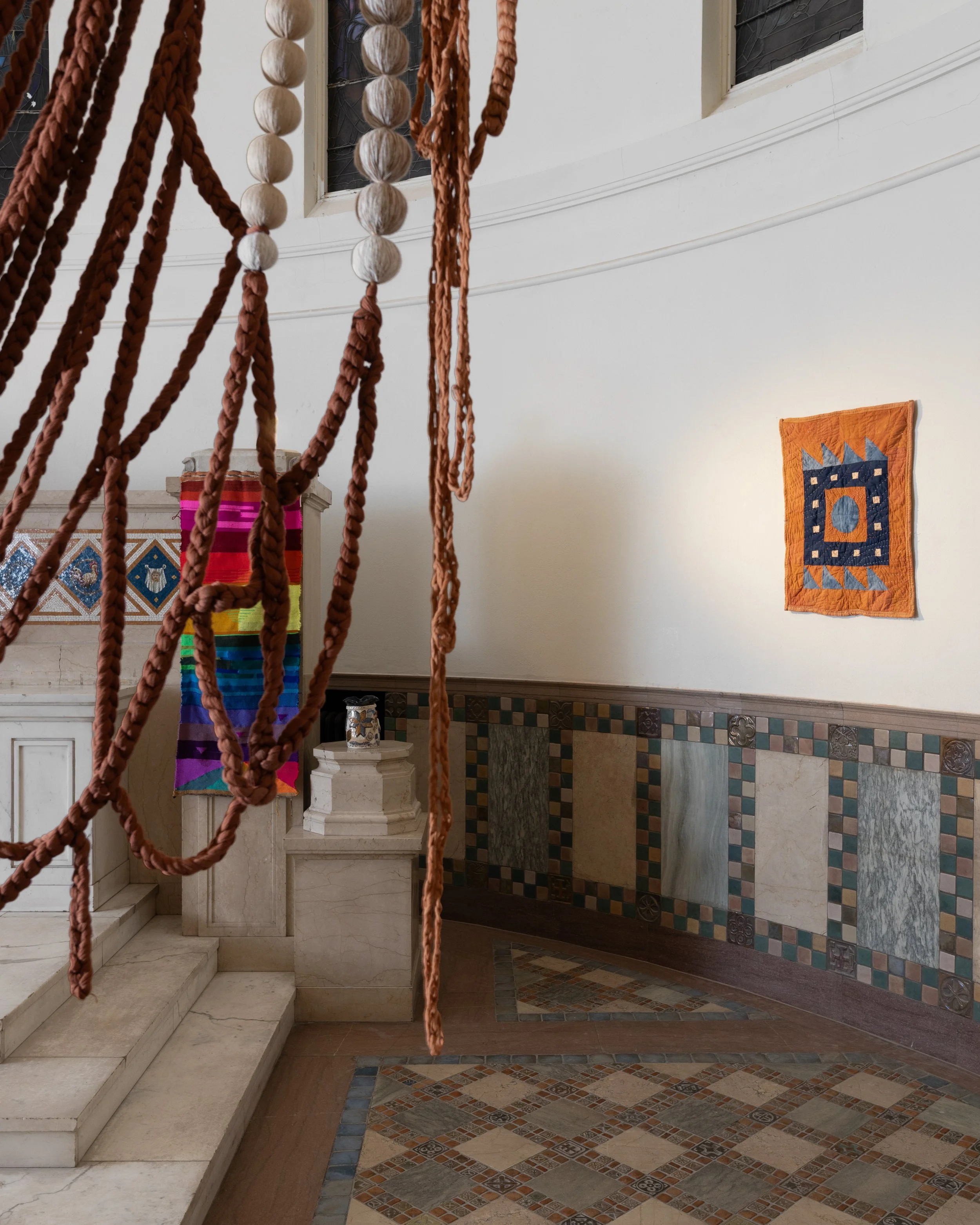
Library Street Collective is pleased to present Warp and Weft:Technologies within Textiles,a group exhibition curated by Allison Glenn, Artistic Director of the Shepherd. Warp and Weft considers how artists experiment with new technologies, interrogate materials, and embed innovative, inherited, familial, or ancestral epistemologies into their practices, toforeground narrative and allegory. From the invention of and subsequent improvements to theJacquard loom, to the reframing of traditional weaving styles, and the incorporation of computers and other forms of mechanization, there is along history of technologies located within, and born of, deep engagements with textiles.Warp and Weft:Technologies within Textiles brings together a wide spectrum of styles, histories, and approaches.Many artists inWarp and Wefthaveprimarily textile-based practices, while others incorporate textiles and fabrics intolargely experimental bodies of work.This range speaks to the materials’ expansiveness.Relationships between humans and technology are explored through experimental projects. Working with machines and technology, Kamau Amu Patton has created a series ofStatic Field paintings born of a dialogue between machinesand the artist, the tangible and intangible.To create these paintings, Patton points a camera in to its output, generating an image created by the feedback loop. The artist then records and digitizes the image, working with another person to progressively spray and smooth the canvas for the printer’s plotter arm. The distorted, noisy image resembles microwaves from the Cosmic Microwave Background, an echo of the Big Ban
Seasons Of Kinship at The College for Creative Studies Detroit
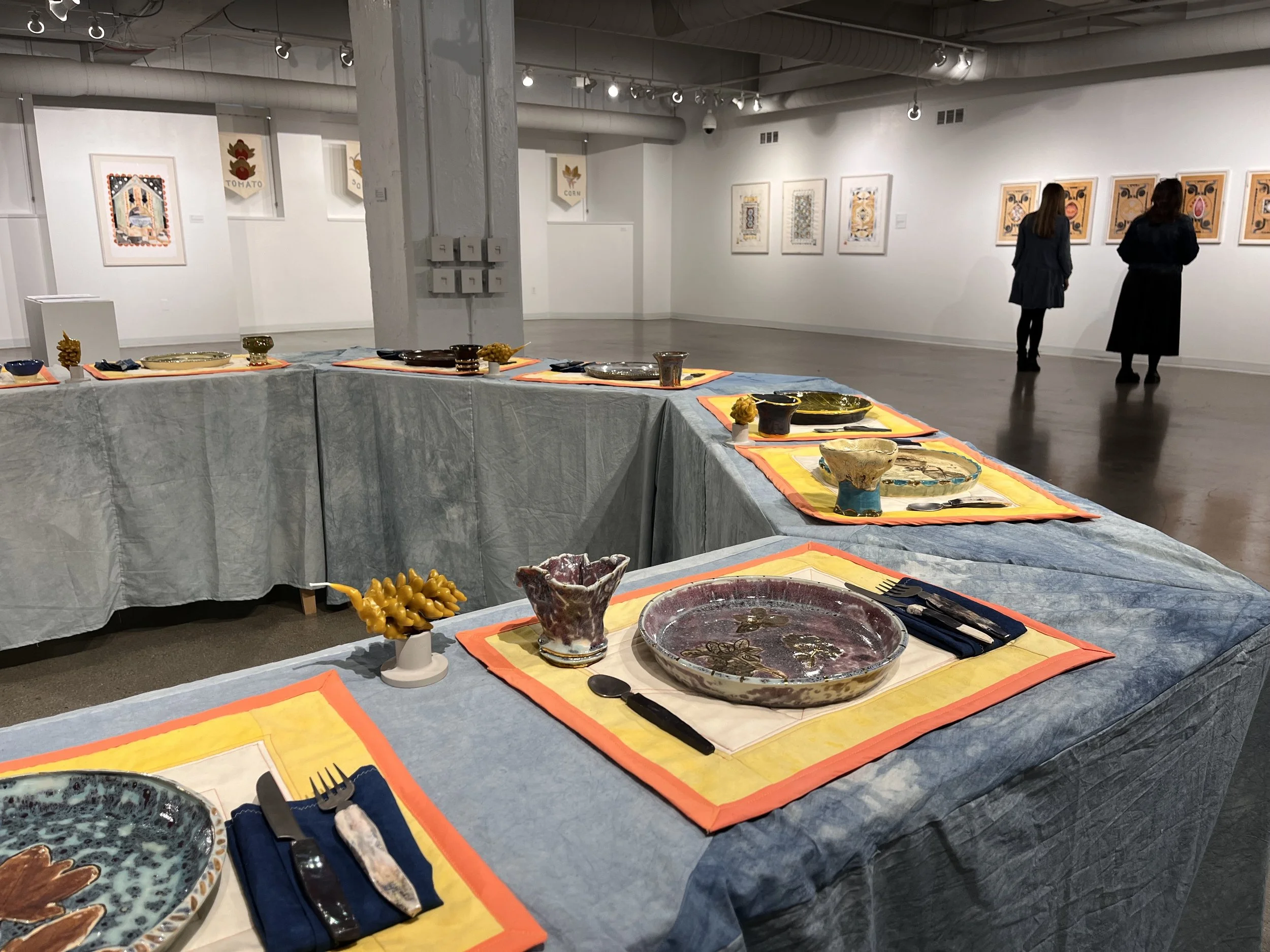
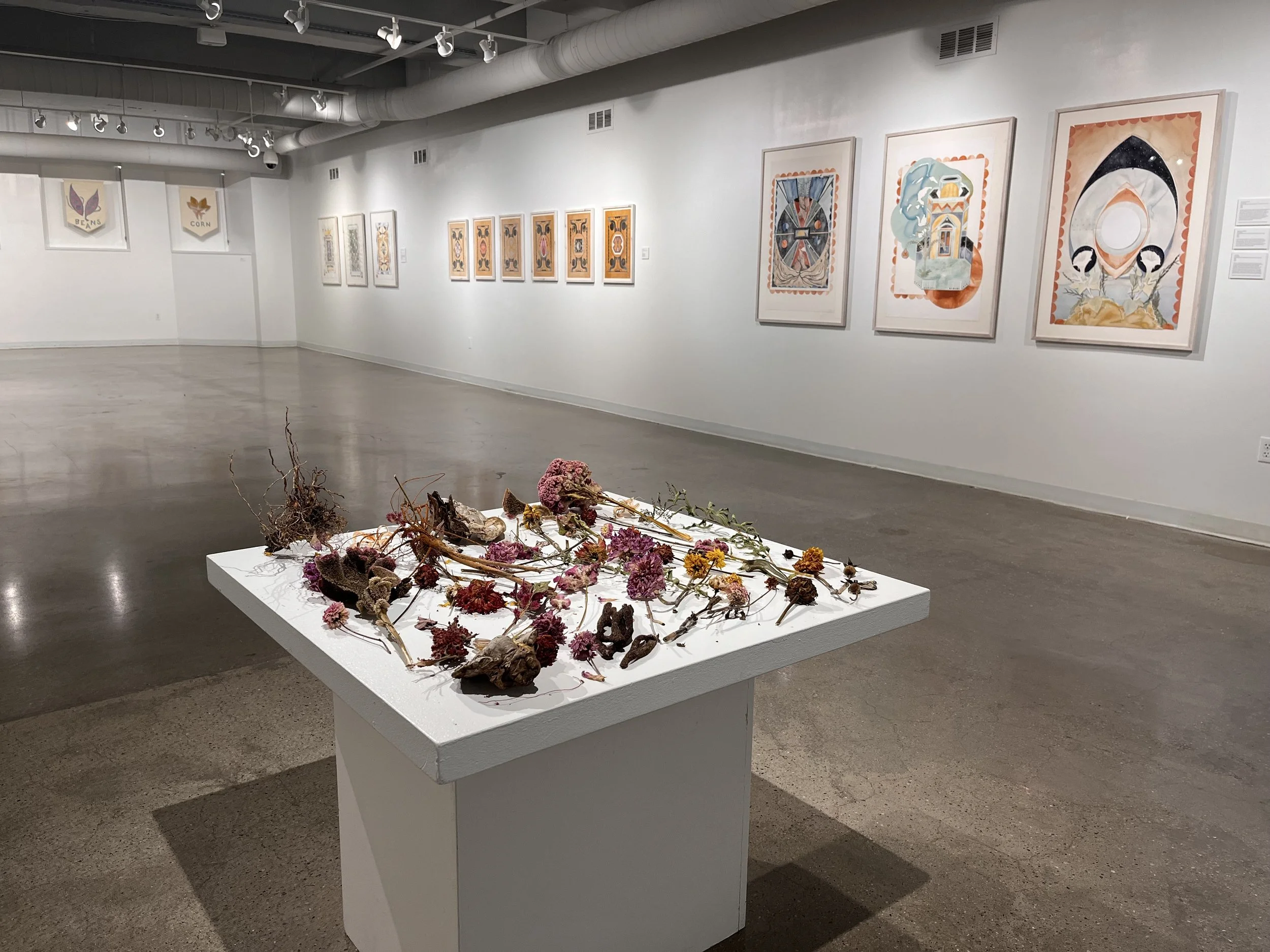
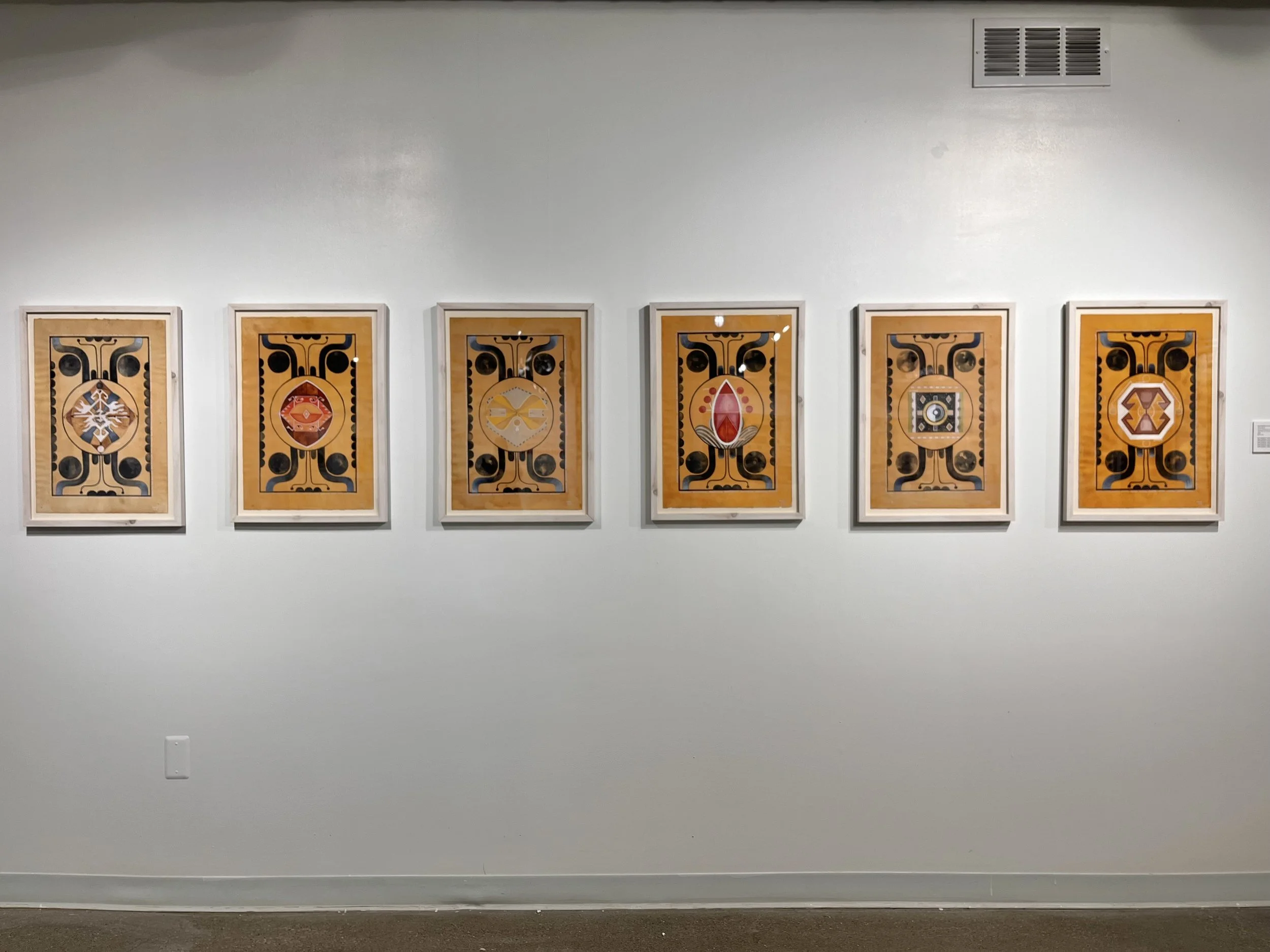
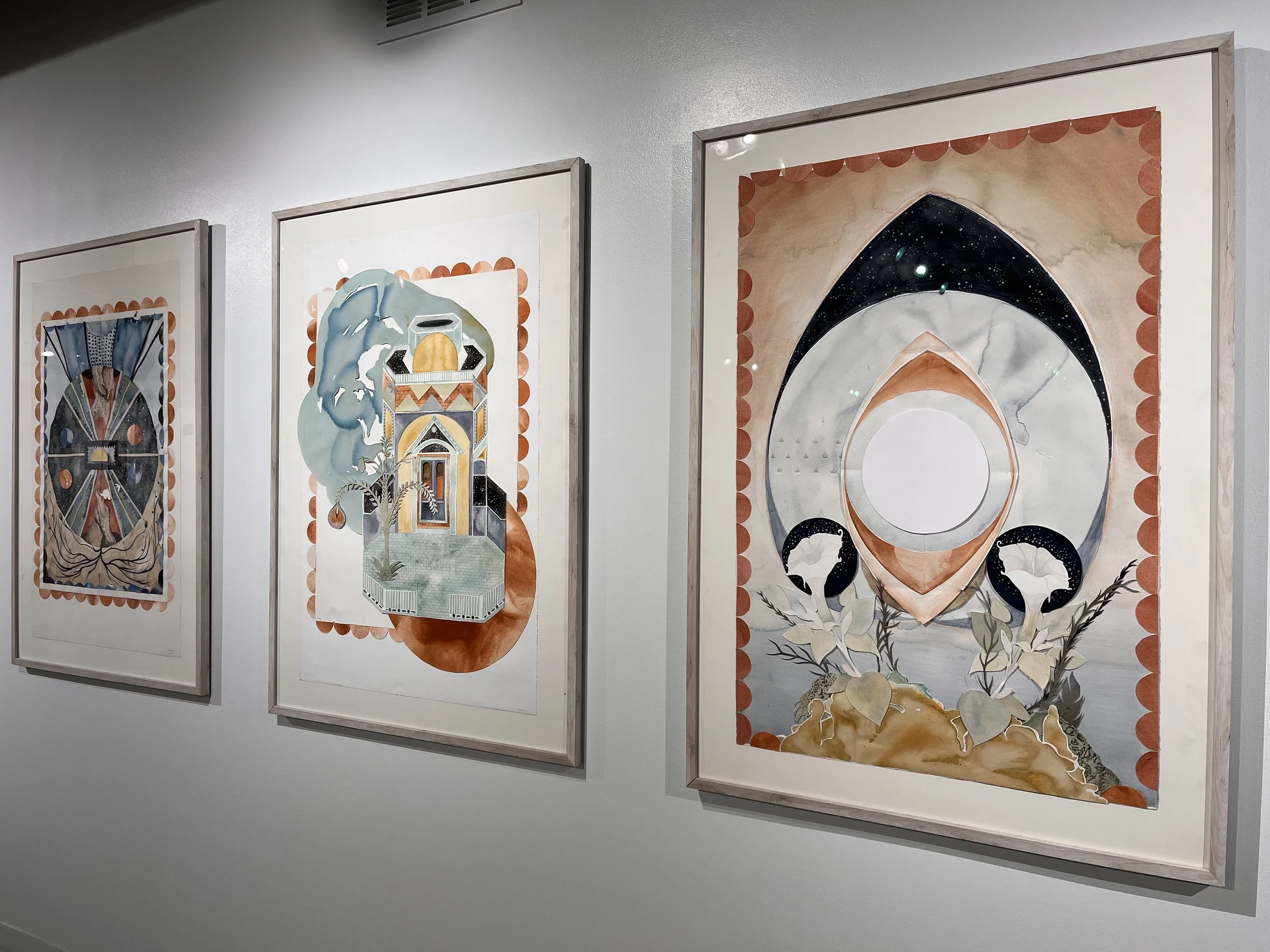
Seasons of Kinship, a dual show by Cyrah Dardas and Mother Cyborg, explores the power, temporality, and ebb and flow of relations within our ecosystem. Using natural materials grown by each artist, this exhibition is a testament to the intertwining and understanding between humans, land, and the ecosystem. A dinner table, a symbol of reverence, honors the lost knowledge and hidden stories in plant life. The use of natural dyes and paints in the tapestries and paintings reflects the reciprocity and symbiotic practices our human and non-human kin can create in relation. The artists' work is a radical yet inspiring way of imagining a generative and knowledge-sharing approach to our relationships with each other and the environment.
For Dardas, the prevalent systems and practices, such as capitalism and cis-hetero patriarchy, are extractive and essentially built upon practices that do not uphold life; they ensure death. We see the opposite of these models in "nature," such as the three sisters or the relationship between trees and mushrooms in which a plant strengthens itself by strengthening those around it. They affirm and usher in life with every action through their form and function. For Mother Cyborg, it is about the hidden stories and knowledge within the land that have accumulated over time and how we unlock those stories through various relationships with each other and ourselves within our environments.
Together, they want us to pay attention to the systems and relationships we are surrounded by, honor them, and tap into them for knowledge rather than extraction for human gain. The artists believe in the transformative power of our human and nonhuman relationships as teachers, caretakers, and ancestors. By embracing these roles, we can deny reinforcing the toxic systems that frequently present themselves to us through capitalism. This show honors the power of the symbiotic nature of relating that unlocks love and kinship, opening new ways of knowing and relating to the world around us.